AI and Programming

When off-the-shelf software does not fit, we write the missing piece. We built and run WeavyAudio, a music platform with its own production pipeline, so we know what it takes to keep custom software working long after launch. Projects range from a single integration script to complete web platforms, and we write code that another developer can pick up later.
- Custom web & mobile applications – portals, internal tools and customer apps.
- API integration – connect your store, CRM, accounting and shipping tools.
- AI automation & chatbots – answer common questions and automate repetitive work.
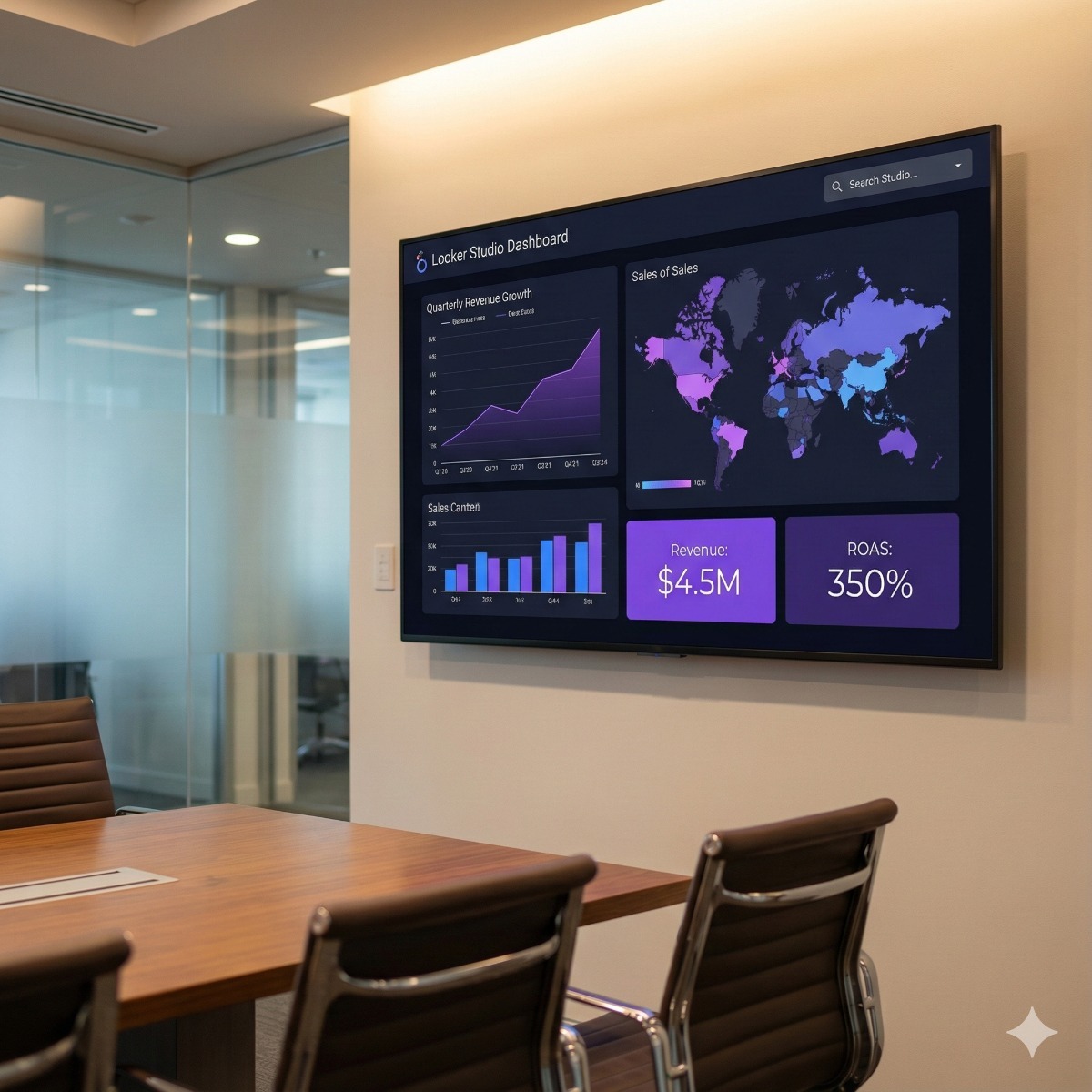
- AI data analysis and Looker Studio dashboards – turn your data into decisions.
- Bash scripting & server automation for Linux environments.
Choosing artificial intelligence tools for a business task
The right AI solution depends on the task, the data and how mistakes are handled, not on which model is in the news this month. We usually choose between three approaches:
Deploying AI Models for Text and Data Analysis
- Hosted language models through an API. Quick to start and strong at reading, summarizing and drafting text. Suitable when the data may be processed by the provider under a business agreement.
- Open-weight models on your own infrastructure. More setup and hardware, but the data does not leave systems you control.
- Classical machine learning algorithms. For forecasting sales, scoring leads or spotting unusual transactions in tables of numbers, methods such as regression and decision-tree ensembles are often more accurate, lighter to run and easier to explain than neural networks.
AI programming languages and the rest of the stack
Most AI programming work we do is in Python, which has the richest set of data and machine learning libraries, with TypeScript or PHP where the result has to live inside a web application or store. Bash scripts and scheduled jobs handle the plumbing on Linux servers: fetching data, running models overnight and delivering results to where people use them. We write code that another developer can maintain, with tests for the parts that matter.
Following AI technology trends without starting over
Models improve and change quickly. We design projects so the model can be swapped without rewriting the application: prompts and settings kept in configuration, a small set of real test cases to compare the old and new model, and logs that show how answers change. When a newer model does better on your own examples, switching becomes a planned update rather than a new project.
Data analysis as a starting point
Many useful projects start with data analysis rather than automation: finding out which products, customers or channels actually drive results before deciding what to automate. That groundwork also shows whether your data is complete enough for any AI tool to rely on.
Related services: data analysis with AI, AI automation and chatbots and WeavyAudio, a music platform we built and run.