Data Analysis with AI
Good decisions need trustworthy numbers. This group of services takes you from raw tracking to clear reports and tested improvements, whether you run a local service business or an online store. Most of it runs on Google's free tools, so you are not locked into extra subscriptions.
- GA4 & Google Tag Manager setup – events, conversions and e-commerce data.
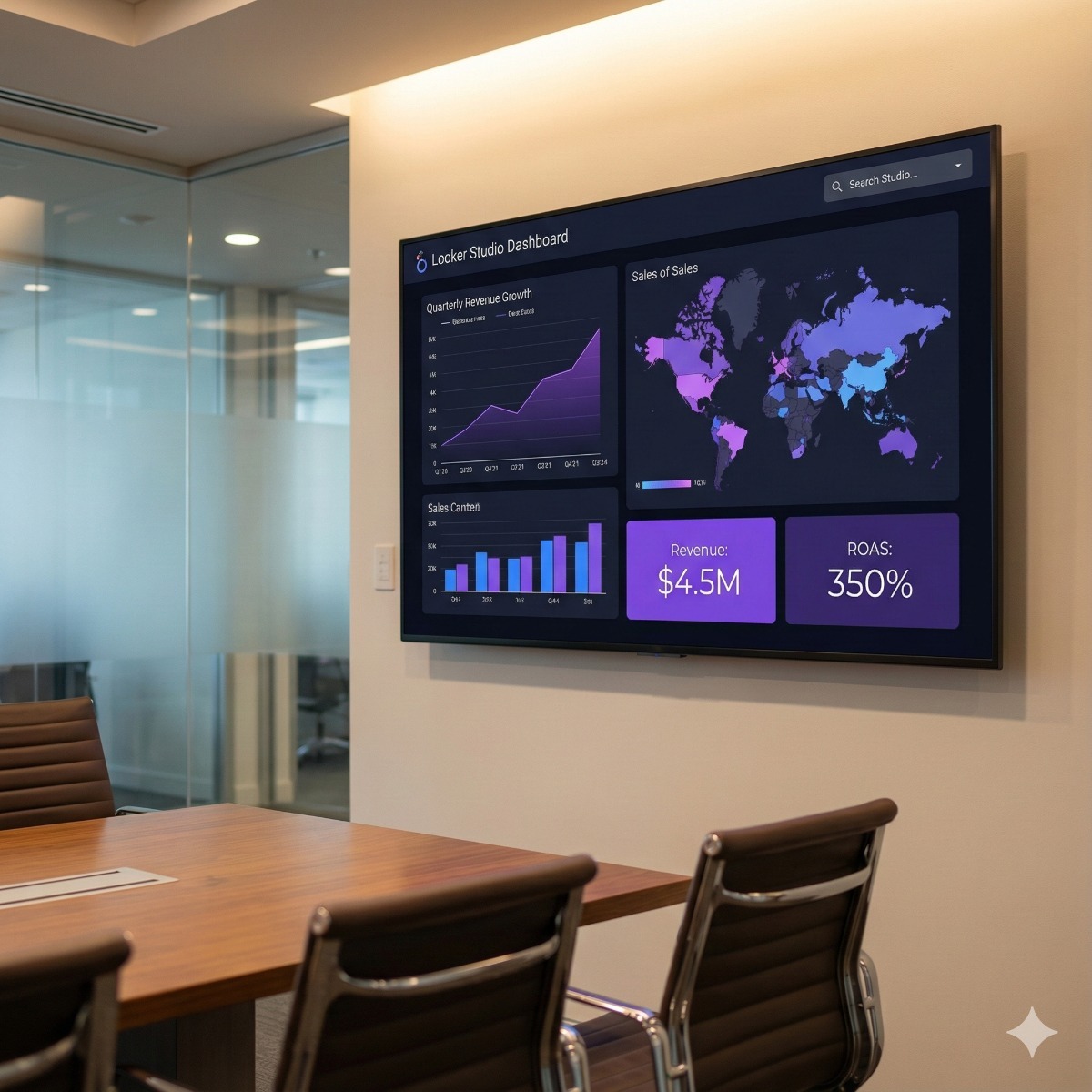
- Looker Studio dashboards – marketing, sales and SEO data in one view.
- AI-assisted data analysis – trends, forecasts and anomalies.
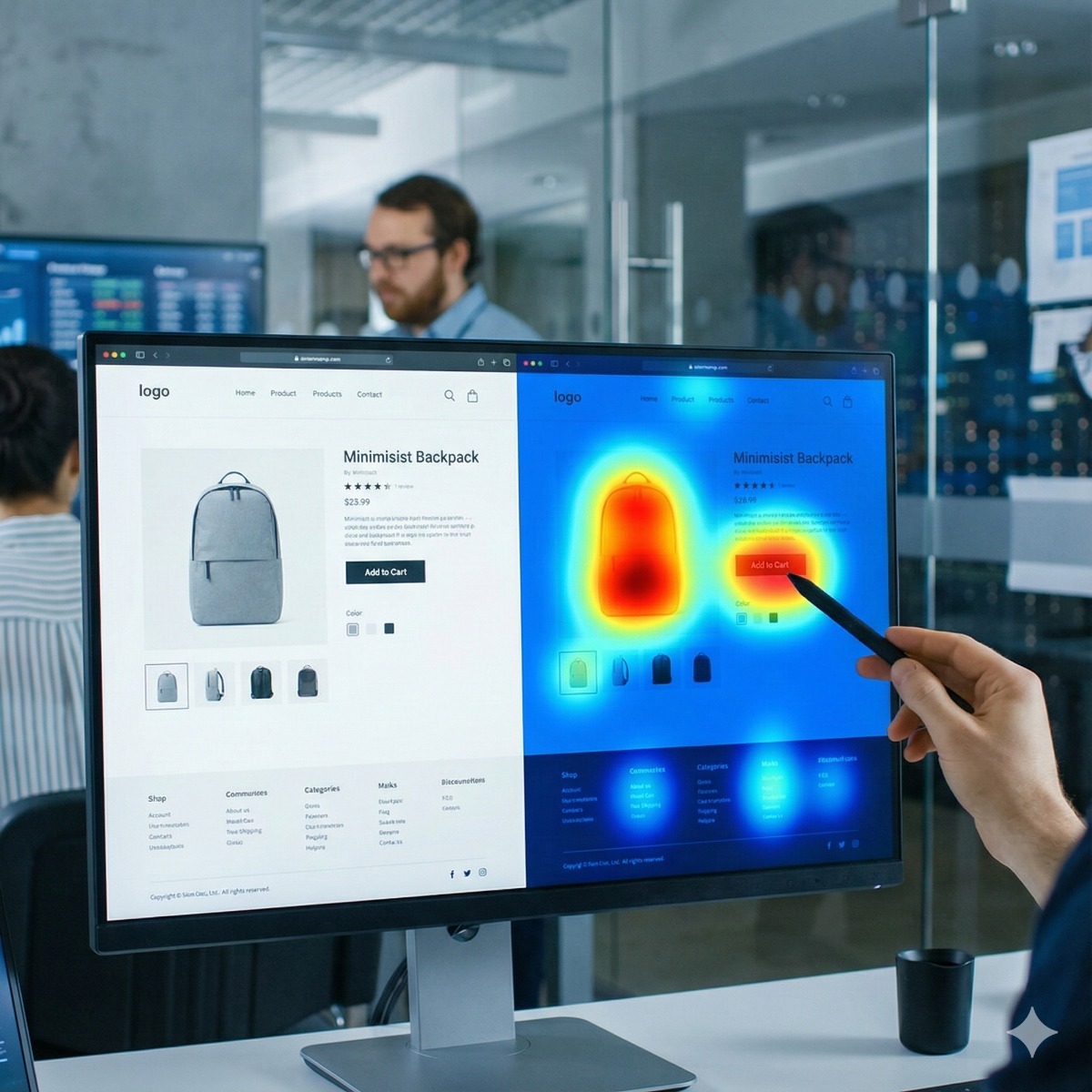
- Conversion rate optimization – heatmaps, funnels and A/B tests.
- Site architecture & internal linking – structure that search engines understand.
Tip: fix tracking first. Dashboards and tests built on broken data lead to wrong conclusions.
Which analysis technique fits which question
"Artificial intelligence" covers many different methods, and most business questions need only some of these AI techniques. Matching the method to the question keeps projects smaller and results easier to trust:
- Statistical analysis. Did the new price, page or campaign really change anything, or is the difference within normal variation? Seasonality and sample size are checked before conclusions are drawn.
- Data visualization. Trends and comparisons in a dashboard your team opens every week, rather than a spreadsheet only one person understands.
- Predictive modeling. Forecasts of sales, demand or stock needs built from your history, given as a range rather than a single number, so plans allow for uncertainty.
- Pattern recognition. Anomaly detection that flags a sudden drop in orders from one payment method or a spike in refunds before it shows up in the monthly report.
- Machine learning. Customer segments, repeat-purchase likelihood or lead scoring, where many variables interact.
Deep learning and big data analytics: when they apply
Deep learning shines with images, audio and unstructured text, for example sorting support emails or reading scanned documents. For tables of orders and visits, simpler machine learning is usually enough. Likewise, big data analytics tools are rarely needed by a small business; when GA4 or store data outgrows spreadsheets and dashboard connectors, exporting it to a data warehouse such as BigQuery is the natural next step.
Frequently asked questions
How much data do I need for AI data analysis?
For forecasts, ideally enough history to cover at least one or two full seasonal cycles of your business. For descriptive data analysis and dashboards, a few months of clean data is enough to start.
Does the analysis require sharing customer names?
Usually not. Most analysis works on order values, dates, products and anonymous identifiers, and personal details can be removed or replaced before any data is processed.
Should tracking be fixed before analysis?
Yes. If GA4 double-counts or misses conversions, every chart and forecast inherits the error, so tracking is checked first.
Related services: AI-assisted data analysis and forecasts, Looker Studio dashboards and AI and custom programming services.