Server Configuration and Optimization
Most slow websites and unstable apps trace back to a server that was installed with defaults and never tuned. These services cover setup, tuning and automation of Linux servers (Debian, Ubuntu and similar) on VPS, dedicated or on-premises hardware. Every job ends with notes on what was changed and why, so your next administrator is not left guessing. We run the same kind of stack for our own projects, including this Magento store.
- Foundation: Linux server setup & administration and mdadm RAID.
- Web stack: Apache tuning, MySQL/MariaDB tuning, HAProxy load balancing.
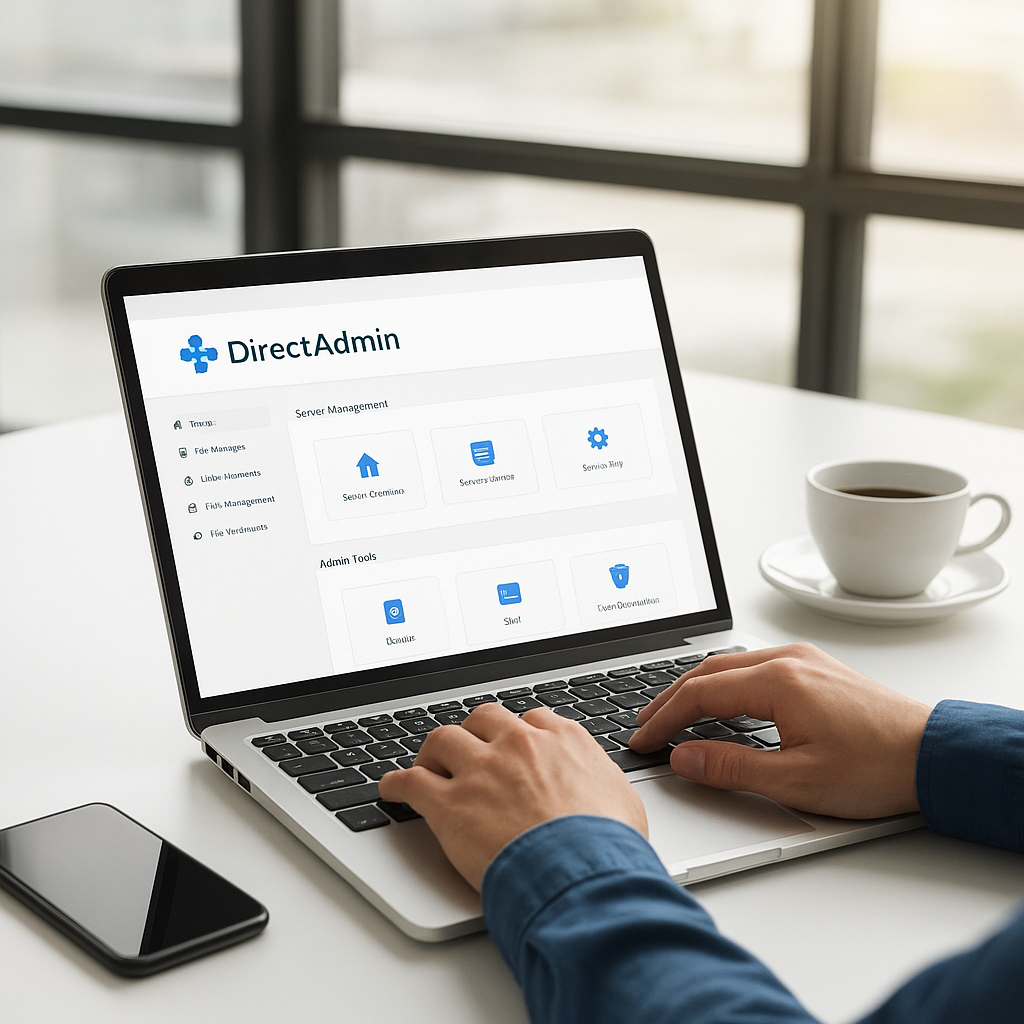
- Panels: ISPConfig or DirectAdmin.
- Network services: DNS and OpenVPN.
- Automation & repair: Bash scripting and GRUB/MBR boot repair.
How a server review usually goes
Most projects in this category begin with a review of the server as it runs today. We look at what is installed, how it is configured and where the time goes when pages are slow, then agree on a short list of changes in order of impact.
- Web layer. Apache tuning for the right MPM, worker limits and caching, or a check of Nginx and HAProxy if they sit in front.
- Database. MySQL optimization starts with the slow query log and buffer sizes matched to the available memory, and often ends with an index added to one heavy query.
- Storage. Disk health, usage trends and, for an mdadm RAID setup, arrays that report their state and send an alert when a disk drops out.
- Panels. A DirectAdmin installation or ISPConfig configuration checked for mail deliverability, PHP versions per site and secure access to the panel itself.
- Security. Firewall rules, SSH access, pending updates and services listening without a reason.
What we need from you
Root or sudo access, the hosting provider's console login in case a change needs a reboot, a list of the sites and applications on the server, and a window when a short restart is acceptable.
Frequently asked questions
How long does a server review take?
A single web server can usually be reviewed in a short engagement, with the findings written up before any change is made. Environments with several servers or custom applications take longer to map.
Should I use software RAID or hardware RAID?
For most small servers, Linux software RAID with mdadm is dependable, portable between machines and easy to monitor. A hardware controller with a battery-backed cache can help busy database servers, but it ties you to that controller's tools and spare parts.
Can a live server be tuned without downtime?
Many changes apply with a reload that does not interrupt visitors. Others, such as kernel updates, database memory settings or changes to the disk layout, need a restart, and we schedule those in an agreed window.
Related services: server monitoring and maintenance, server virtualization and migration and retiring old servers safely.