


When a business retires equipment, laptops get most of the attention, and our article on whether to sell or recycle old business laptops covers them. Servers, storage and network gear follow different economics. There are fewer units, each one is worth a lot or almost nothing, the value often sits in the parts rather than the box, and software licensing can decide whether a switch is worth anything to its next owner. This is how IT asset recovery works for that equipment, and how to keep more of what it is worth.
Recovery, disposal and recycling
Every retired device ends up with one of three outcomes:
- Recovery: the device, or parts of it, is redeployed internally or resold, and value comes back as payment, credit or a purchase you no longer need to make.
- Disposal: IT asset disposal in the narrow sense. The device is retired with its data dealt with and the paperwork done, but nothing comes back.
- Recycling: only its materials are recovered.
IT asset recovery services aim to send each item to the best outcome it can reach once costs are counted. The number that matters is net recovery: resale value minus the labor to de-install, sanitize, test, pack and transport, and minus the handling cost of items worth less than nothing, such as damaged batteries or old CRT monitors. Low-value equipment can cost more to process than it brings in, which is why sorting before collection pays off.
What gives a retired server its value
- Generation and platform. Buyers price servers by model and processor generation first, and every new generation that reaches the market pushes the older ones down.
- Configuration. Processors, memory modules, SSDs, network cards and RAID controllers are often worth more separately than the chassis, which is why many servers are sold as parts.
- Completeness. Rails, bezels, second power supplies and, above all, drive caddies. A server without its caddies has drive bays nobody can use.
- Condition. It boots, passes diagnostics and has no damaged sockets or bent pins.
- Nothing still tied to you. BIOS passwords cleared, the remote management controller reset so it no longer holds your admin accounts and network settings, and any storage encryption keys dealt with.
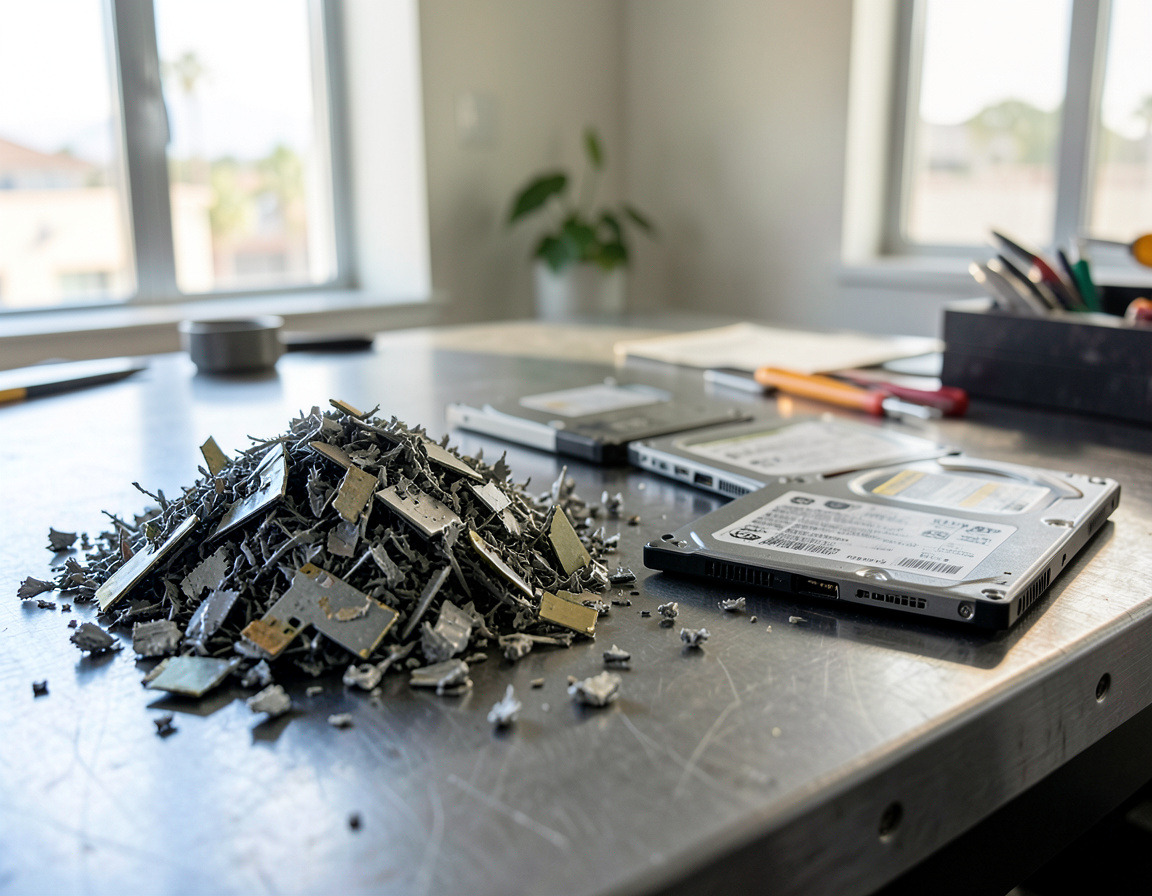
- Drives handled the right way. Enterprise SSDs that have been sanitized and verified can have resale value; shredded ones have none. Destroy the drives your policy says must be destroyed, and sanitize the rest.
Storage arrays and tape
Storage arrays are often bound to the manufacturer's support contracts and software licenses, so their resale value tends to lie in the drives, shelves and controllers rather than the system as a whole. Backup tapes hold data and are normally destroyed, although the tape drives and libraries themselves may still sell.
Network gear: check the license before you price it
Switches, routers, firewalls and wireless controllers look like pure hardware, but much of what they do comes from licensed software and subscriptions. Cisco's Software Transfer and Re-Licensing Policy is a good example: it allows license rights to pass to someone else only when the law requires it, when a permitted scenario applies, such as a merger or a transfer to an affiliate, or when Cisco consents and a transfer license fee is paid. Cisco may also require the new owner to pay service inspection or reinstatement fees before it allows a transfer. Buyers of used gear price that in, and other vendors tie security subscriptions to device serial numbers in comparable ways.
Before network equipment is sold:
- Read the vendor's transfer terms for the licenses and subscriptions involved.
- Take cloud-managed devices out of the vendor's management portal; otherwise the buyer cannot claim them.
- Reset each device to factory defaults, because configurations hold VPN keys, admin accounts and a map of your network.
- Keep the license and purchase records with the asset list.
Value leaks while equipment waits
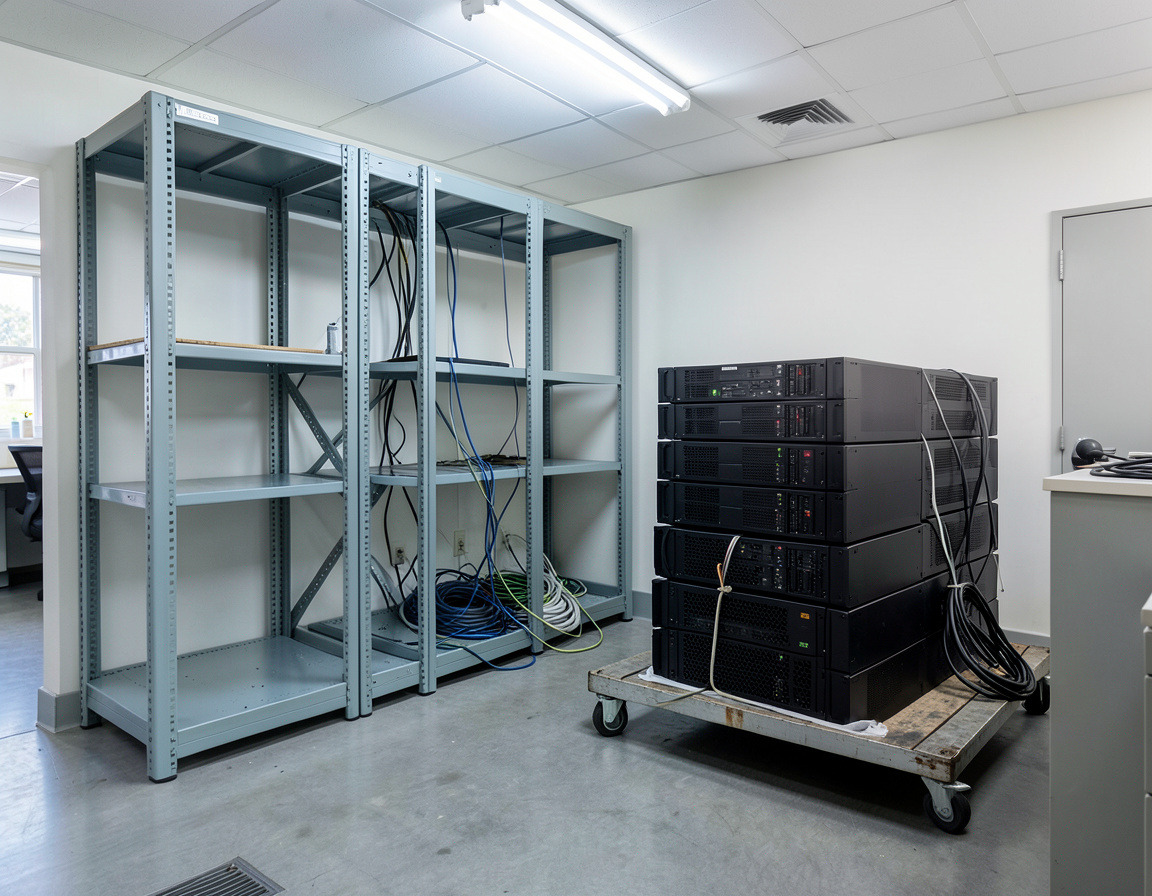
A decommissioned server in a storage room does not hold its value. Newer generations arrive, parts and caddies wander off, and the batteries in UPS units and RAID controller caches go flat. The best time to decide the route for each item is before shutdown, as part of the decommissioning plan: record the configuration while the machine still runs, keep accessories with it, and move it on promptly.
Leases, the asset register and taxes
- Leased equipment belongs to the lessor and goes back under the lease's return conditions. Protecting the data on it is still your job, so agree the sanitization method with the lessor before the return.
- The fixed asset register should show the disposal date, the outcome and any proceeds for each item, so the books match what left the building.
- Taxes. IRS Publication 544 explains that a gain on the sale of depreciable business equipment is treated as ordinary income up to the depreciation already taken. Selling fully depreciated servers therefore usually creates taxable income, so talk to your accountant before a large sale.
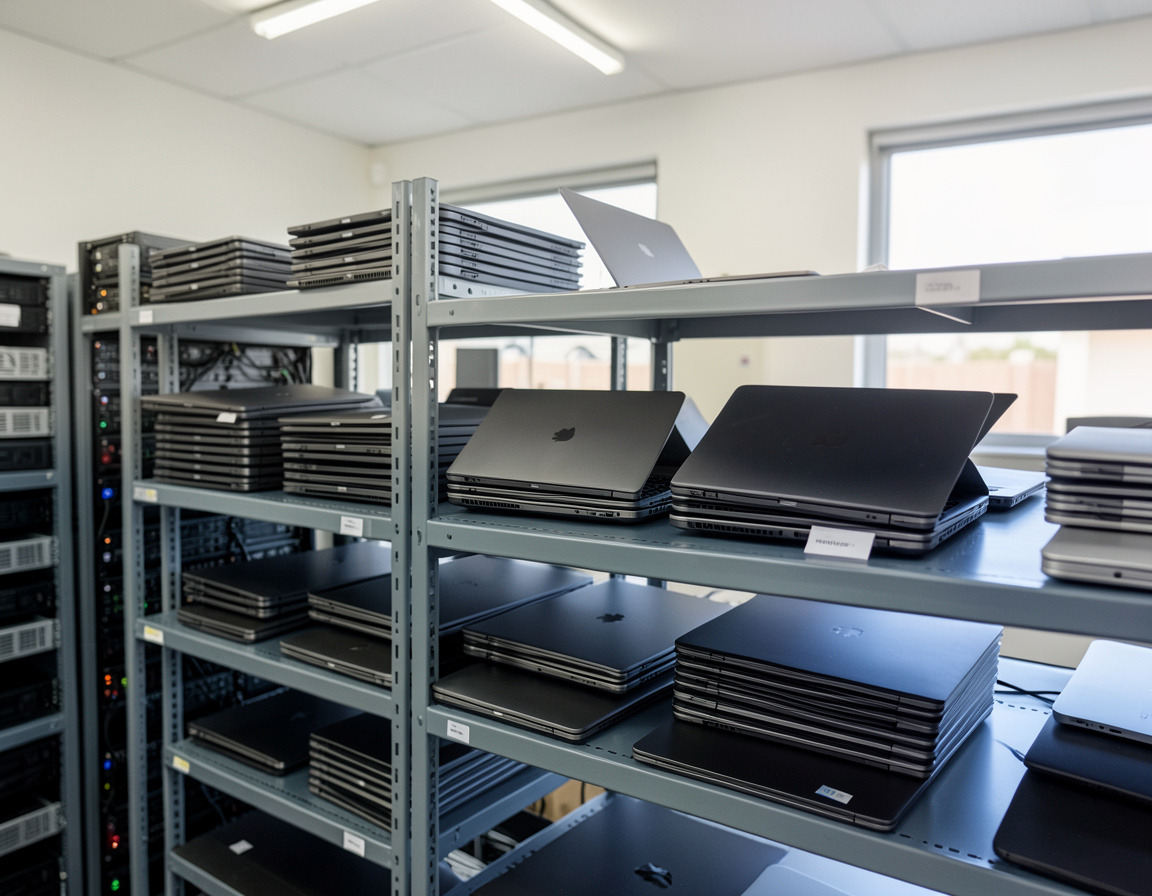
Corporate laptop buyback at larger volumes
Laptops are usually the largest count in a refresh. At volume, a corporate laptop buyback tends to be priced as a lot, by an agreed grading scale per unit, as trade-in credit, or through an employee purchase program. The same habits protect the value in every case: release devices from management, sanitize and verify, keep chargers with their machines, and agree in advance how units that fail testing are handled.
Questions to ask before you sell used servers or computers
- How is value determined, and when does the offer become final?
- Which costs are netted against the value, and are they itemized?
- What happens to devices that fail testing, and where does equipment with no resale value go?
- Is every drive sanitized or destroyed before resale, with a record by serial number?
- Which report links each serial number to its outcome, and what are the payment or credit terms in writing?
If you plan to sell used computers in Los Angeles, or are comparing options for ITAD in Los Angeles against a distant buyer, ask whether you can be present when the equipment is assessed. Seeing the grading makes it much easier to understand how the price was reached.
Frequently asked questions
What is IT asset recovery?
The part of IT asset disposition that brings value back from retired equipment, by redeploying it, reselling it whole or selling its parts, after the data has been removed and the device released from your accounts.
Are used network switches worth selling?
Recent, working switches can be, but their value depends heavily on whether the software licenses and subscriptions can pass to a new owner. Check the manufacturer's transfer policy before estimating what they are worth.
Do we pay tax when we sell old company equipment?
Often, yes. According to IRS Publication 544, a gain on depreciated equipment is generally ordinary income up to the depreciation you have taken. Your accountant can tell you how a sale fits your return.
Is it better to sell servers whole or for parts?
It depends on the model and generation. Recent servers in complete, working condition often sell whole; older ones are frequently worth more as processors, memory and drives. A list with configurations lets a buyer tell you which applies.
Sitting on retired servers, storage or network gear at a Long Beach or LA-area office? How we assess equipment is described on our page about IT asset disposition and laptop buyback; retiring the systems themselves comes first and is covered under server decommissioning, and drives that must never be reused go to hard drive shredding and data destruction. Request a quote with the models, configurations and quantities, and we can discuss which items are likely to have resale value and which route suits the rest.