


Understanding Virtualization
Virtualization allows you to create multiple simulated environments or virtual machines (VMs) on a single physical server, maximizing resource utilization and flexibility.
Types of Virtualization
- Server Virtualization – Run multiple OS instances on one server
- Storage Virtualization – Pool storage resources for better management
- Network Virtualization – Create virtual networks for security and scalability
- Desktop Virtualization – Access desktops from anywhere
Cloud Computing Overview
Cloud computing provides on-demand access to computing resources over the internet. It enables scalability, cost savings, and flexible IT solutions for businesses of all sizes.
Cloud Service Models:
- IaaS (Infrastructure as a Service) – Virtualized computing resources online
- PaaS (Platform as a Service) – Development and deployment tools in the cloud
- SaaS (Software as a Service) – Access software via the cloud without local installation
Benefits of Virtualization & Cloud
- Cost efficiency by reducing physical hardware requirements
- Improved scalability and resource management
- High availability and disaster recovery options
- Remote access and flexibility for employees
- Enhanced security and monitoring capabilities
Best Practices for Deployment
- Assess current infrastructure before migrating to cloud or virtualization
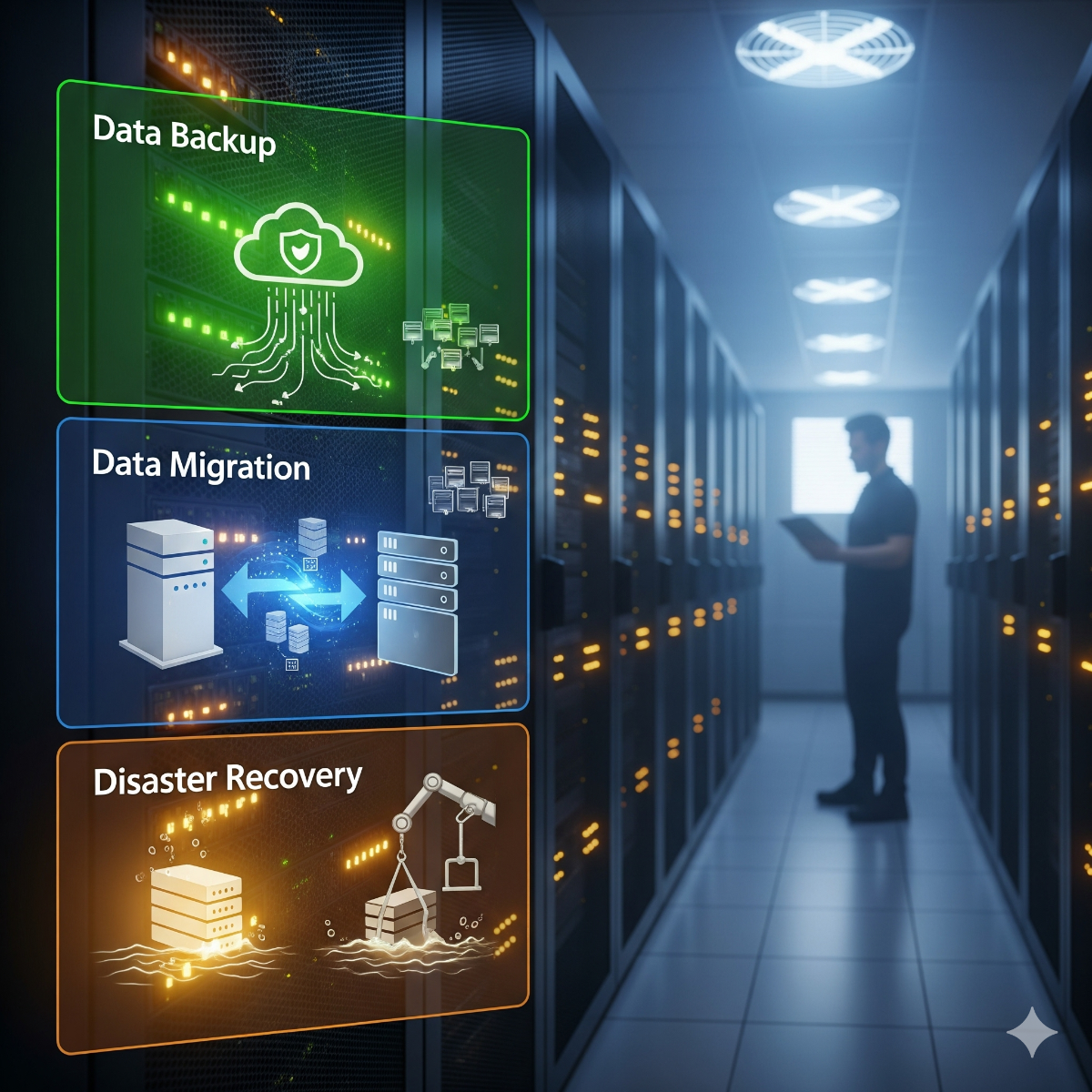
- Use reliable backup and disaster recovery solutions
- Monitor performance and resource usage regularly
- Implement strong security measures, including encryption and access controls
Pro tip: Combine virtualization with cloud solutions to optimize cost, performance, and flexibility for your IT environment.
Conclusion: virtualization
Virtualization and cloud computing are essential for modern IT infrastructure, offering efficiency, scalability, and security. Proper planning and best practices ensure optimal performance for your organization.
On-premises virtualization, cloud or hybrid?
Virtualization and cloud computing are often mentioned together, but they answer different questions: virtualization is how workloads run, the cloud is where they run and who owns the hardware.
- Virtual machines on your own server suit steady workloads, large local files, software that must stay in the office, and predictable costs once the hardware is bought.
- Cloud infrastructure suits workloads that grow and shrink, teams spread across locations, and businesses that would rather not maintain hardware.
- Hybrid is common in small businesses: a virtualization host in the office for local systems, with email and backups in the cloud.
Hypervisors, VMs and containers
A Type 1 hypervisor such as KVM, Hyper-V or ESXi runs directly on the server hardware and hosts production VMs; Type 2 hypervisors run on a desktop operating system and are meant for testing. Containers share the host kernel and start in seconds, while a VM is the right choice when you need a full, separate operating system. Licensing has shifted the market as well: after Broadcom completed its acquisition of VMware in November 2023, it stopped selling perpetual VMware licenses in favor of subscriptions, and many small businesses have since evaluated open-source platforms such as Proxmox VE.
Cloud security is shared
Cloud providers secure their data centers and the underlying platform; you stay responsible for accounts, access rights, data, configuration and backups. Typical cloud incidents start on that customer side: a storage bucket left public, an admin account without multi-factor authentication, or no copy of the data outside the provider's account.
Frequently asked questions: virtualization
Is a VM snapshot a backup?
No. A snapshot depends on the original virtual disk and lives on the same storage, so it disappears with a failed array or a deleted VM. Take one before an update, remove it afterwards, and keep real backups elsewhere.
How many virtual machines can one server run?
It depends on memory, storage speed and what each VM does more than on CPU cores. Memory usually runs out first, so size the host around the combined RAM of the VMs plus room to grow.
Is moving to the cloud always cheaper?
No. Steady, always-on workloads can cost more in the cloud over several years than on owned hardware, while variable or short-lived workloads often cost less. Compare the full cost, including bandwidth and backup storage.
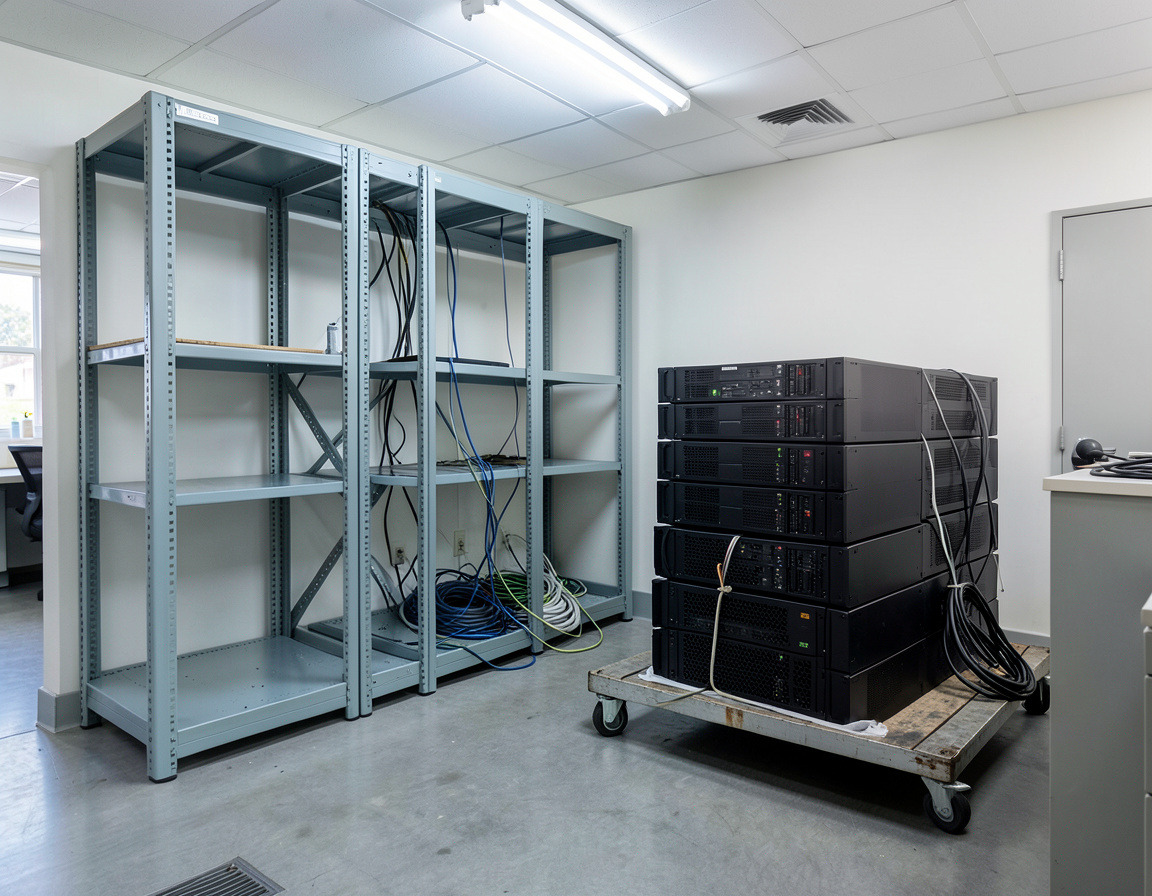
Need help with this? Our server virtualization and migration service plans and moves workloads to Proxmox, KVM or VMware, backup and disaster recovery protects the result, and server decommissioning retires the physical servers you no longer need, with their disks wiped. Request a quote.
What goes into data center hosting costs for a Long Beach business?
Whether servers sit in a colocation facility, in the cloud or in your own office, the monthly bill is only part of the picture. For a fair comparison, add up the hardware you would buy and eventually replace, power and cooling, bandwidth and data transfer, backup storage, software licensing and the time someone spends maintaining it all.
Licensing changes, such as VMware's move to subscriptions, can shift the balance between owned hardware and the cloud, so review them before a renewal or a migration.