Networks and Servers
We design office networks and run Linux servers every day, including the servers that host our own projects. This section covers everything between your internet connection and your applications. Clients range from single-location offices that need a reliable network to online businesses running their own VPS or dedicated servers, and many projects combine both.
- Small business network setup – Wi-Fi, firewall, VLANs and VPN; see also OpenVPN server setup.
- Linux server setup & administration, with tuning for Apache and MySQL/MariaDB.
- Server monitoring & maintenance – patching, alerts and reports.
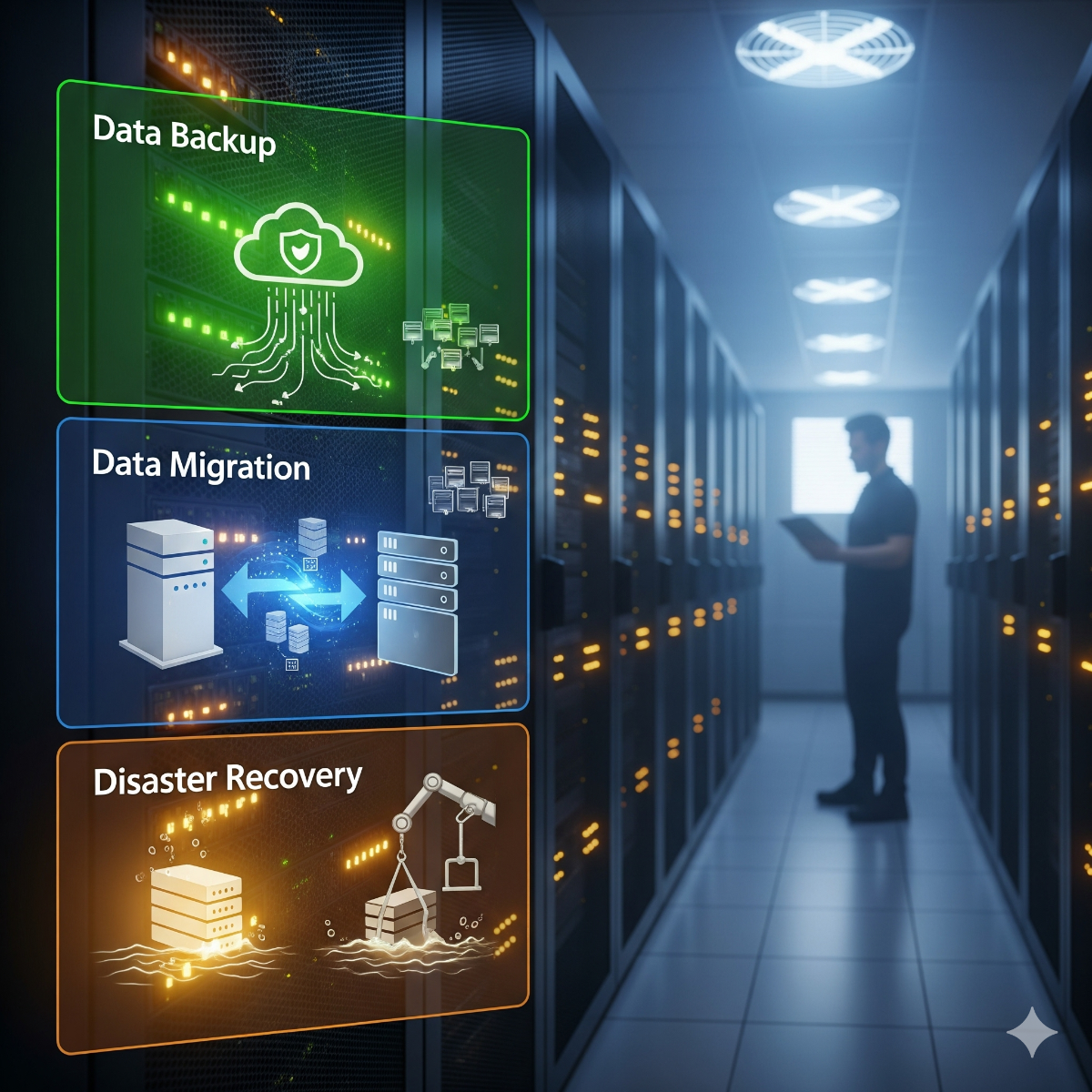
- Backup & disaster recovery and mdadm software RAID.
- Linux recovery and GRUB/MBR boot repair.
- Virtualization & migration, hosting panels, SSL and DNS.
Where a network and server review starts
Most businesses that contact us have one visible problem, such as slow Wi-Fi, a server that keeps filling up or a website that goes down, and several invisible ones. A first review follows the whole path from the internet connection to your applications:
- Edge. The router or firewall, its firmware, open ports and who can reach the network from outside.
- Office network. Wi-Fi coverage, switches, and whether guests, cameras and office computers share one flat network or sit on separate VLANs.
- Servers. Operating system versions and their end-of-support dates, disk health, pending updates and what each machine actually runs.
- Remote access. A VPN instead of remote desktop exposed to the internet, and the accounts of former staff removed.
- Recovery. Which backups exist, which were tested, and how long a restore would take.
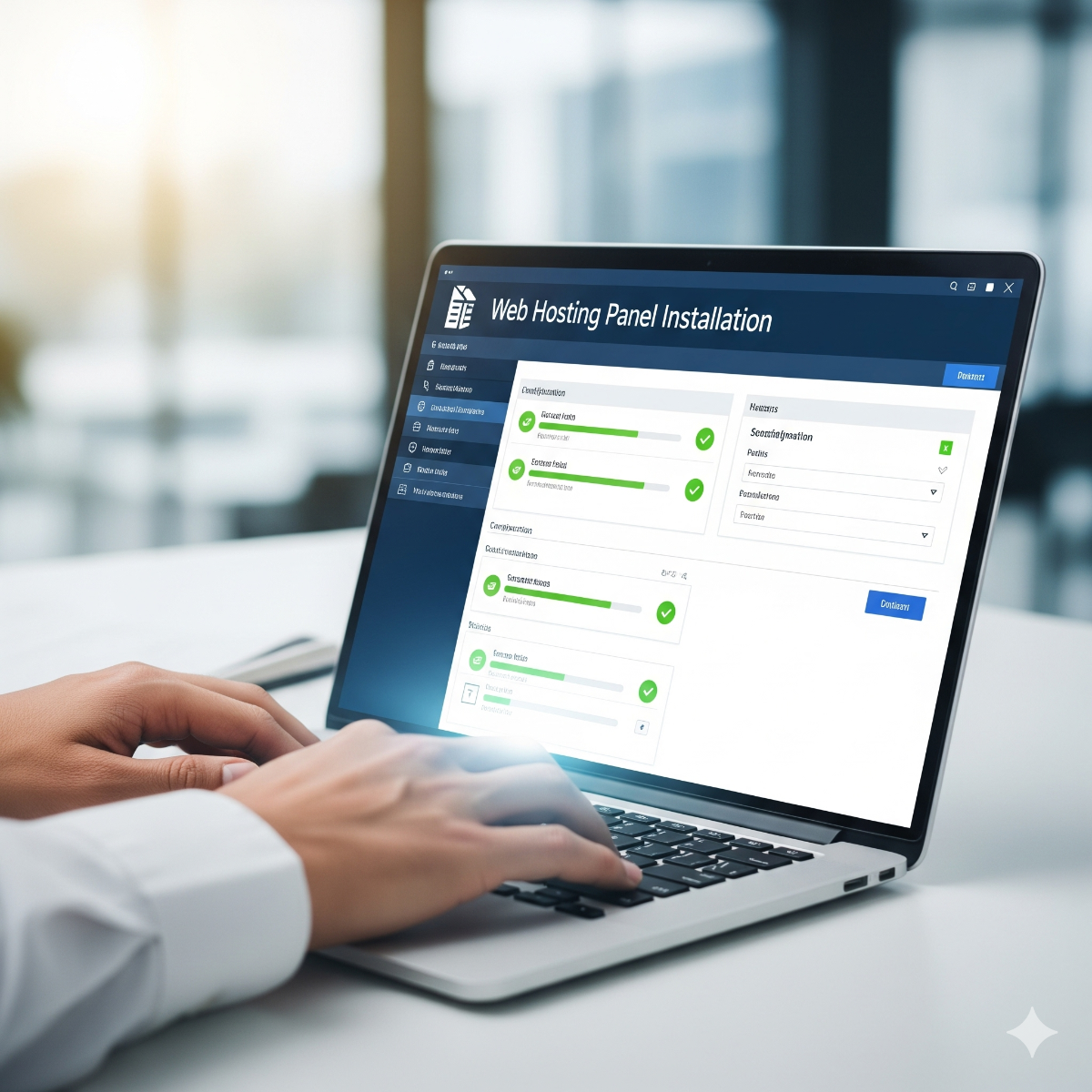
Hosting panel installation for online servers
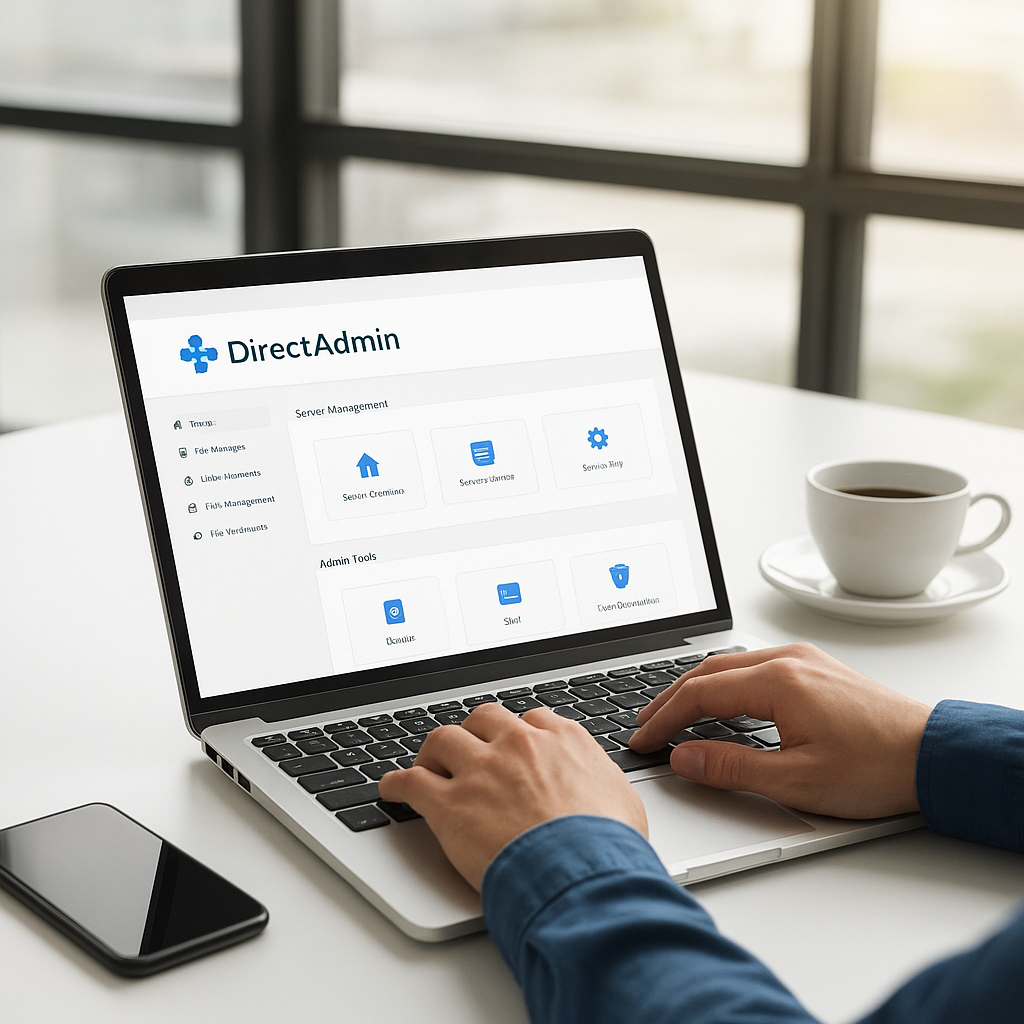
For businesses running websites or email on their own VPS or dedicated server, panel installation is often the first step toward easier day-to-day management. ISPConfig, DirectAdmin, cPanel and Plesk each suit a different mix of sites, and a panel still needs the server underneath kept up to date.
Frequently asked questions
Does a small business still need its own server?
Often not. File sharing and email usually work better as cloud services. A local server still makes sense for software that has to run on the premises, very large files on a slow internet line, camera recordings or strict rules about where data is kept.
Can you manage a server hosted with another provider?
Yes. Linux servers at any hosting provider can be managed remotely over SSH, as long as you have root access and the provider's console login for emergencies.
What is the difference between a VPS and a dedicated server?
A VPS is a virtual machine sharing physical hardware with other customers, flexible and quick to resize. A dedicated server gives you the whole machine, which suits steady heavy workloads but takes longer to replace if the hardware fails.
Related services: server configuration and optimization, OpenVPN setup for remote staff and our guide to network setup, VPN and security.