Search for electronic recycling in Long Beach, Torrance or San Pedro and three kinds of results come up: city collection events, county drop-off centers and private recyclers. For a business, the first two are usually closed doors. This guide explains why, what that leaves for offices, shops and warehouses in the Harbor area and the South Bay, and how a business e-waste pickup is prepared, scheduled and documented. It is general information, not legal advice; for the rules themselves, see which California e-waste rules apply to businesses.
Why city and county drop-offs usually turn businesses away
Household hazardous waste and e-waste programs are set up and funded for residents, and each city handles the details a little differently:
- Long Beach. The city's e-waste page is written for households: it sends residents to recycling centers and weekend collection events, among them the Signal Hill EDCO center and the city of Los Angeles facility on Gaffey Street. It describes no route for businesses, so e-waste disposal in Long Beach for a company goes through other channels.
- San Pedro, Wilmington and Harbor City. These neighborhoods are part of the City of Los Angeles, which runs the S.A.F.E. Center at 1400 N. Gaffey Street. Los Angeles County's CleanLA listing states that household hazardous waste and electronic waste from businesses are not accepted at the regular collections. Very small quantity generators of hazardous waste can use a separate program by appointment, which charges a fee and requires an EPA ID number. For routine e-waste recycling, San Pedro businesses generally look elsewhere.
- Torrance. The city's e-waste recycling and paper shredding events are for Torrance residents, who may be asked for proof of residency. The city also says hazardous waste generated by businesses is not eligible for its residential collection events, and it points small business generators to an appointment-based program with a disposal fee. Electronic recycling in Torrance for a business therefore usually means a private collector or recycler.
For most businesses that leaves four realistic routes: an authorized e-waste collector or recycler, a manufacturer or retailer take-back program for a few items, resale of equipment that still has value, or carrying it to a recycler yourself.
Self-hauling: when it makes sense
Most discarded electronics are universal waste in California, and universal waste does not require a registered hazardous waste transporter. A business can carry its own e-waste to an authorized collector or recycler, as long as it goes to a proper destination and not into a dumpster on the way. Loose lithium batteries still count as hazardous materials in transport, so tape their terminals or bag them one by one, and keep screens and old CRT monitors intact. Self-hauling works well for a carload. It works less well for a room of monitors, a server rack, a third-floor suite without a freight elevator, or equipment that still holds data you need to account for.
How a business e-waste pickup usually works
Whether you hire a recycler or an IT provider, electronic waste pickup in Los Angeles County tends to follow the same pattern:
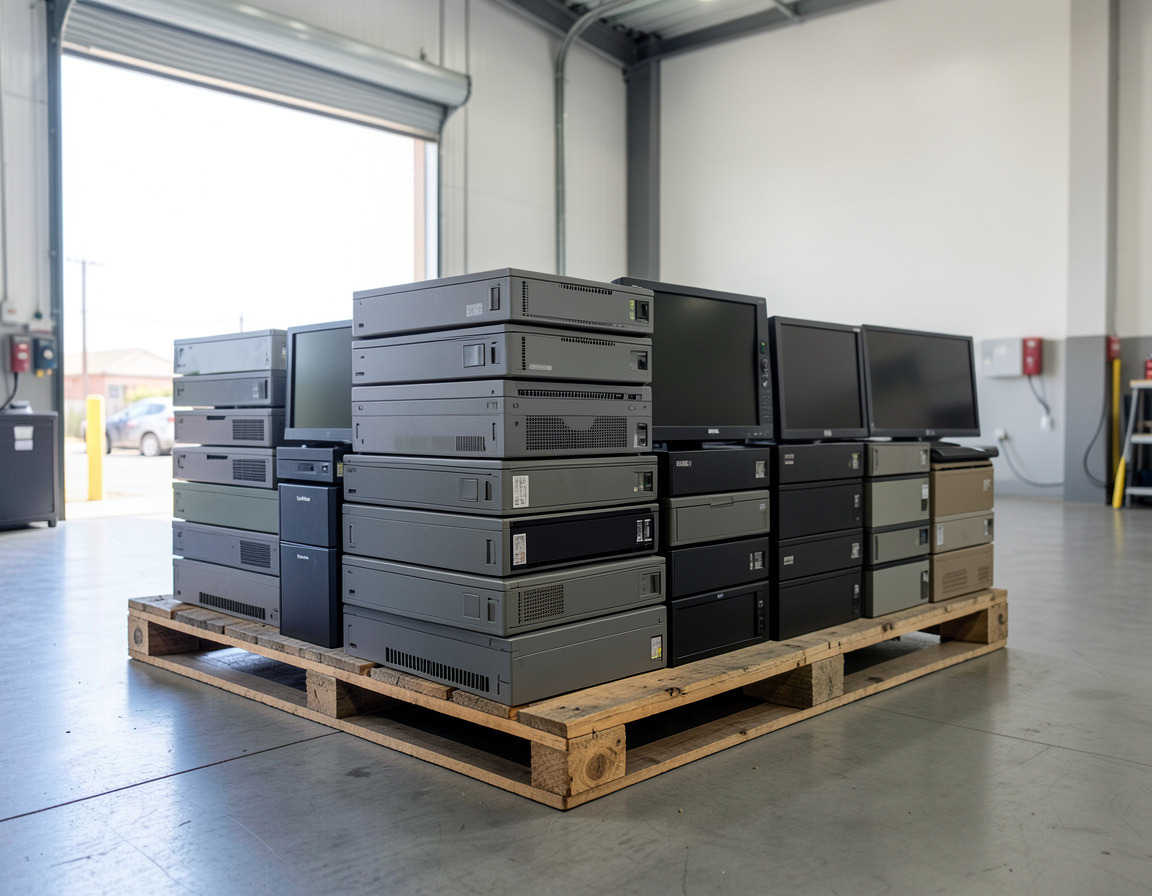
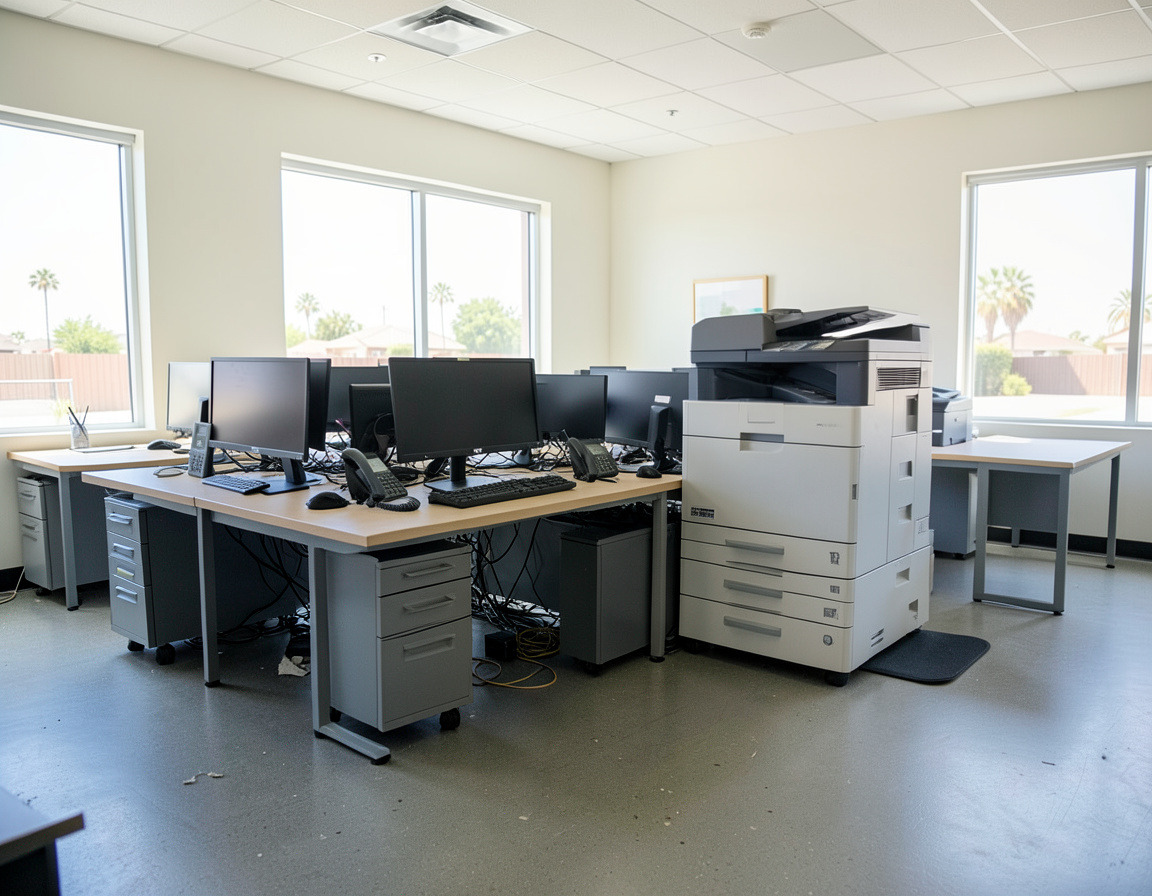
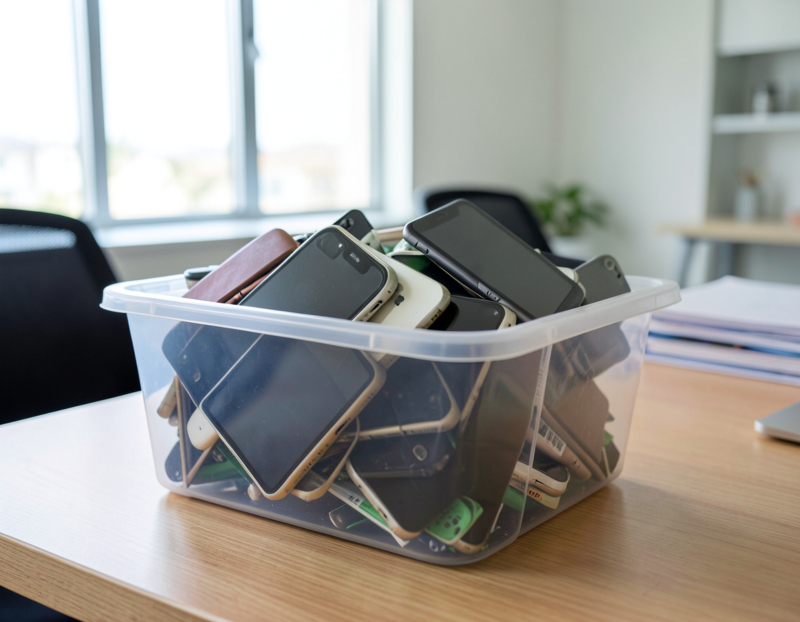
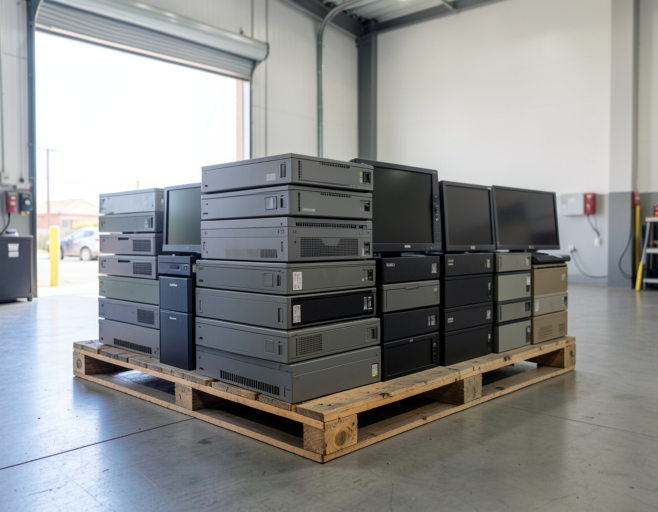
- A list and a few photos. Counts by type (computers, monitors, TVs, printers, network equipment, phones and tablets, UPS units and loose batteries), plus where the items are: which floor, whether there are stairs, and how far it is to the loading area.
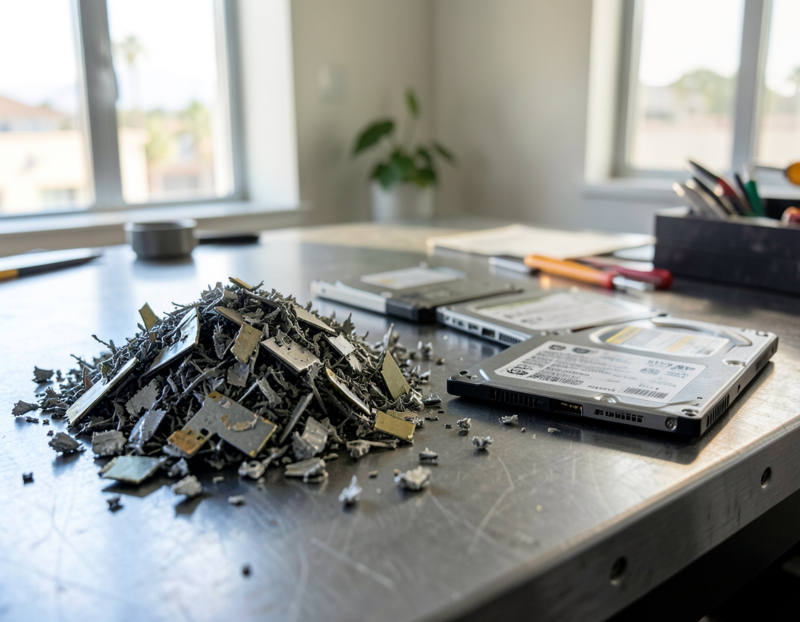
- Data decisions before the quote. Which drives are wiped before collection, which are removed for destruction, which you keep, and which devices might be worth selling. Old CRT monitors, broken screens and damaged batteries cost more to handle, so mention them up front.
- Scheduling around the building. Book the loading dock or loading zone and the freight elevator. Many managed office buildings require contractors to provide a certificate of insurance before they can work, so ask the building manager early what is needed.
- Collection day. A member of your staff checks the count as items leave, drives go into a sealed container, and you sign a list that includes serial numbers for everything that stores data.
- Paperwork afterwards. A recycling receipt or certificate, records for any drives that were wiped or destroyed, and a settlement statement if anything was resold.
Getting ready for electronic waste removal
- Put loose hard drives, USB sticks and backup disks in one labeled box, so none of them end up loose on a pallet.
- Separate anything that is not yours to recycle: leased copiers, the internet provider's modem, postage meters and card terminals.
- Set swollen or damaged batteries aside on their own, uncharged.
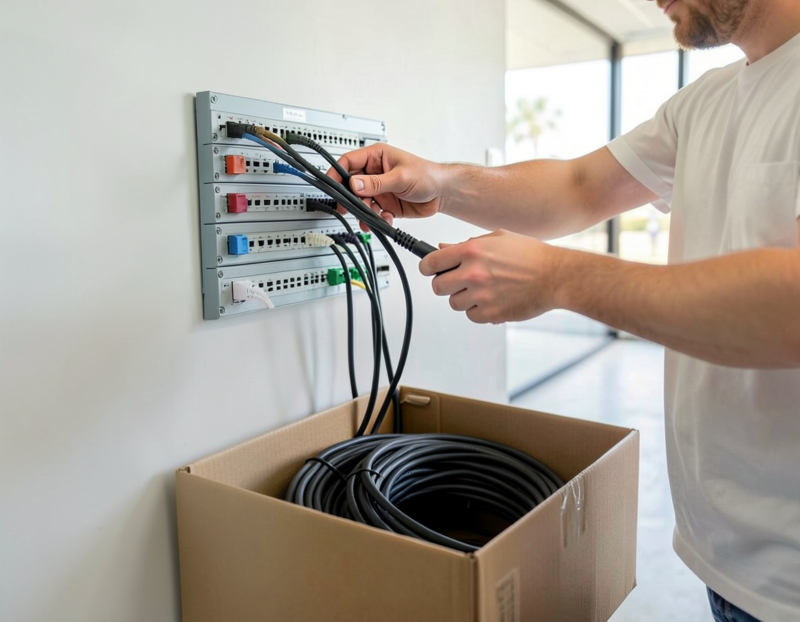
- Reset firewalls, routers and Wi-Fi access points, which store network passwords.
- Mark anything that stays with a clear "do not remove" label.
- Name one person who can sign for the handover.
Harbor area and South Bay logistics
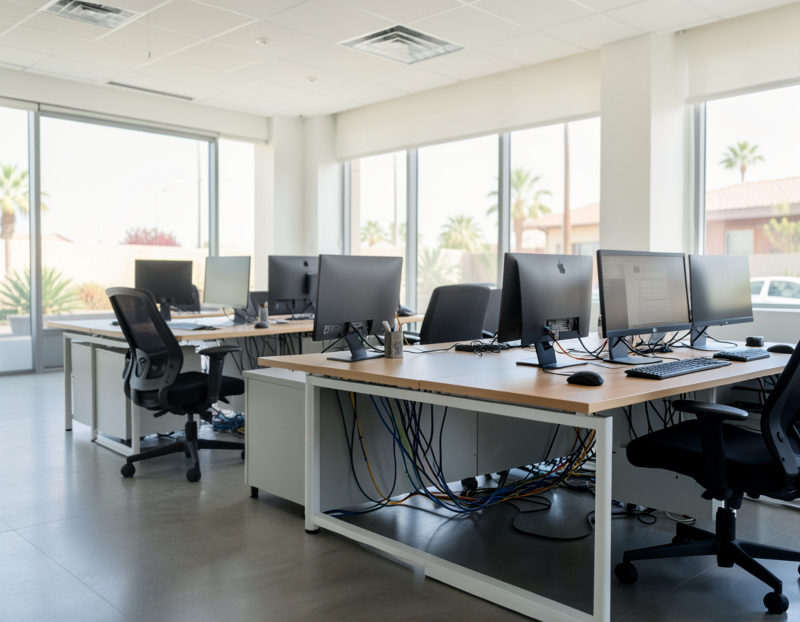
The area mixes very different buildings, and each one changes how an e-waste pickup in Los Angeles County runs. Office towers in Downtown Long Beach usually mean freight elevator bookings, loading dock time slots and insurance paperwork. Industrial parks in Carson, Wilmington and Torrance often have dock-height doors and room for pallets, which makes large loads easier. Storefront offices in San Pedro or along the Long Beach corridors may only have street parking or a shared loading zone. Warehouses and logistics firms near the ports tend to collect handheld scanners, label printers, rugged tablets and vehicle-mounted terminals; put them on the list, because they store Wi-Fi keys and sometimes customer data.
Frequently asked questions
Can a business use the Long Beach or Torrance e-waste collection events?
Generally not. City events and county drop-off centers are set up for residents, and Torrance, for example, may ask for proof of residency. Businesses are pointed to appointment-based small generator programs, authorized recyclers or take-back programs.
Can we take our office e-waste to a recycler ourselves?
Yes, in most cases. California does not require a registered hazardous waste transporter for universal waste such as discarded electronics, provided it goes to an authorized collector, recycler or destination facility. Pack batteries safely and keep the receipt.
Is there a minimum amount for a business e-waste pickup?
That depends on the collector. Some set a minimum number of items, and small or single-item pickups often cost more to arrange. Send a list and ask before you book.
What if our e-waste includes old CRT monitors or TVs?
Keep them intact and upright. CRTs and their glass contain lead and are separate categories of universal waste, so tell the collector in advance; they may be priced separately from other electronics.
Clearing electronics out of an office, shop or warehouse in Long Beach, San Pedro, Torrance or nearby? How we handle business equipment is explained under business computer recycling and e-waste pickup, and complete move-outs are covered under office electronics cleanout. Request a quote, attach your item counts or photos along with the address, and ask us whether your location and item mix fit what we do.