



Many shops, offices and warehouses still record on a DVR installed years ago, with coax running to every camera. The picture is soft, faces at the door cannot be recognized and replacement parts are getting hard to find. Moving from analog CCTV to IP cameras fixes that, but it raises a practical question first: can the cable in the walls stay, or does the building need rewiring? The answer decides most of the cost and disruption, and there are more options than a full rip-out.
Three routes from analog CCTV to IP cameras
- HD-over-coax. Strictly speaking this is not IP at all. Cameras using analog HD formats such as HD-TVI, AHD or HD-CVI send a much sharper picture over the same coax to a compatible recorder. It is the least disruptive upgrade, but the cameras are still not network devices and the choice of models is narrower.
- IP over the existing coax. Ethernet over coax adapters carry network traffic, and with some models power, over the old cable, so true IP cameras can be connected without new cable runs.
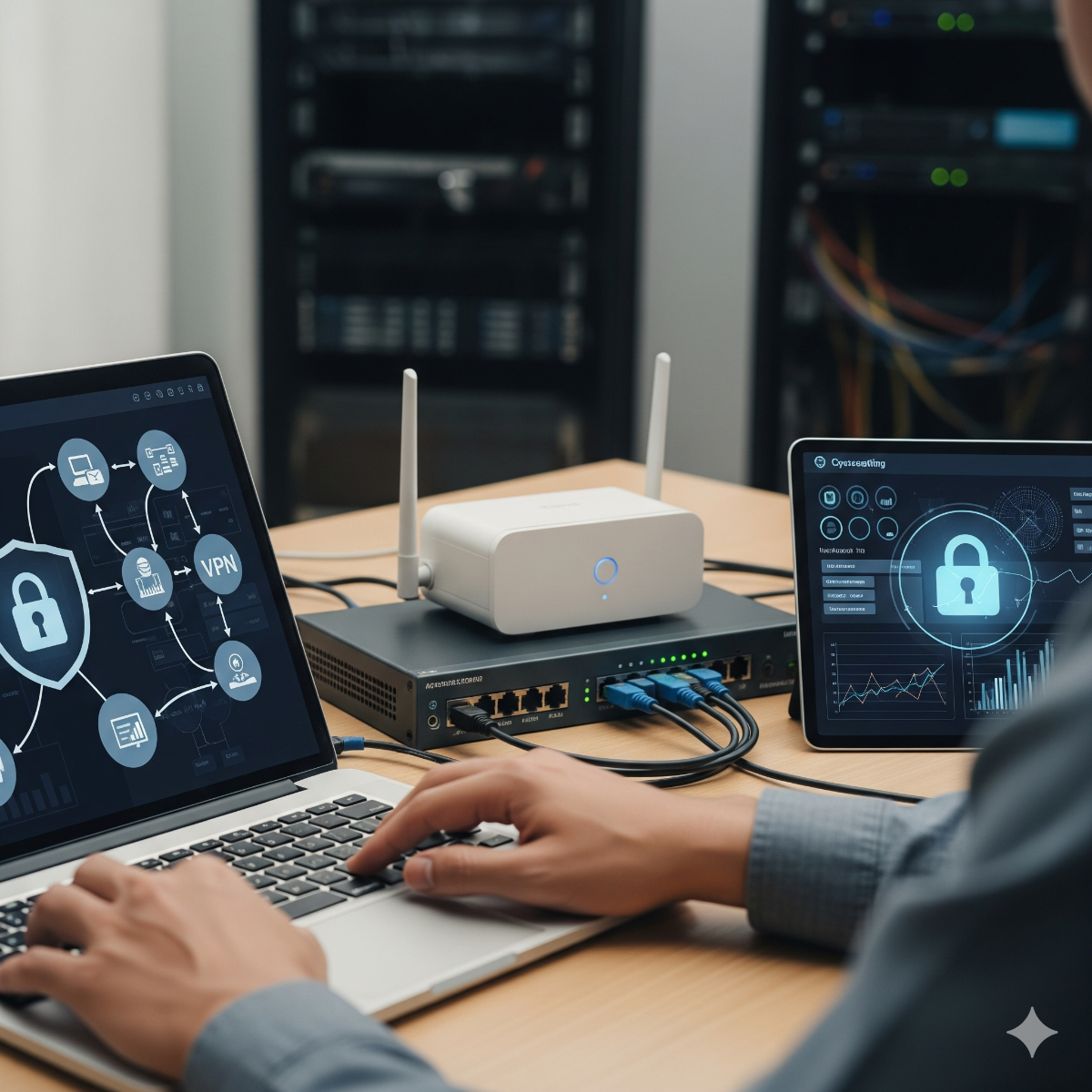
- Rewire with network cable. Cat6 to every camera, PoE for power and a network video recorder (NVR). More labor up front, and the most flexible system afterwards.
A hybrid DVR, which accepts both analog and IP cameras, lets any of these happen in stages. For a broader look at analog, IP and smart home systems side by side, see our security systems comparison.
When keeping the coax makes sense
- The cable runs through finished ceilings, concrete or other places that are expensive to open.
- The runs are long. With suitable adapters, coax can often reach further than a single Ethernet run, which stops at 100 meters (328 feet).
- The building is leased and the landlord will not allow new cabling.
- Tests show the cable is sound: continuity end to end, no water in the connectors, and a solid copper core rather than cheap copper-clad aluminum.
Older systems often use siamese cable, which bundles coax with a two-wire power pair for 12 V cameras. That pair can sometimes keep feeding cameras after the upgrade, but only if its gauge and length suit the new cameras' power draw. Near the coast, corroded BNC connectors are common and should be replaced during the upgrade, whichever route you choose.
When rewiring is the better investment
- The cable is damaged, water has got into it, or nobody knows where it runs.
- You are adding cameras, not just replacing them, and new positions need new cable anyway.
- You want features that depend on a network camera, such as on-camera person and vehicle detection, two-way audio at a gate or several video streams per camera.
- Walls and ceilings are open for a remodel or tenant improvement, when running cable is far easier than it will ever be again.
One PoE cable per camera also removes separate power supplies from the system, which is one less thing to fail on a wall above ladder height.
Replace the DVR with an NVR or go hybrid
Most DVRs cannot record IP cameras at all. If the plan is to replace the DVR with an NVR, check three things before buying:
- Channels and throughput. The NVR must handle the number of cameras and their combined bitrate, with room to add more.
- Compatibility. Cameras and recorders from one manufacturer work together most easily. When mixing brands, look for ONVIF conformance on both sides, and expect some features, such as smart detection events, to work fully only within one brand.
- Storage. IP cameras usually record at higher resolution, so the old drive sizes will not give the same number of days. Size the new drives for the retention you need.
A hybrid DVR is the stepping stone when budget or disruption rules out a single switchover: keep the working analog cameras, add IP cameras where detail matters most, starting with the entrances, and retire the rest over time. Before the old recorder goes, export any footage you may still need, and remember that its drive holds recordings that should be wiped or destroyed rather than thrown away.
IP camera installation and configuration after the switch
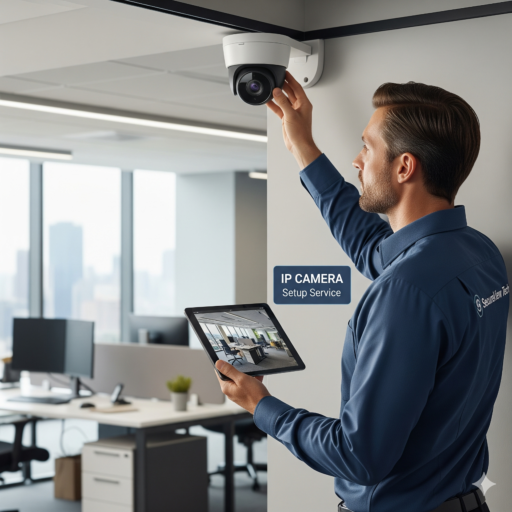
The upgrade is not finished when the picture appears. Careful IP camera installation and configuration covers the details that make the new system dependable, and it is the core of our IP camera and NVR setup service:
- Match every new camera to the view the old one covered, and rename channels from "CH-07" to "Back door".
- Give cameras fixed addresses, change every default password and keep firmware current.
- Set the time from one source so recordings carry reliable timestamps.
- Put the cameras on their own network segment, away from office computers.
- Play back a night recording from every camera before signing off.
Whether the job is an IP CCTV setup over reused coax or a fully rewired building, the same CCTV camera configuration checklist applies. When setting up IP camera system users, give each person their own account, with view-only access for staff who do not need to export clips.
Frequently asked questions: analog cctv to ip cameras
Can I upgrade one camera at a time?
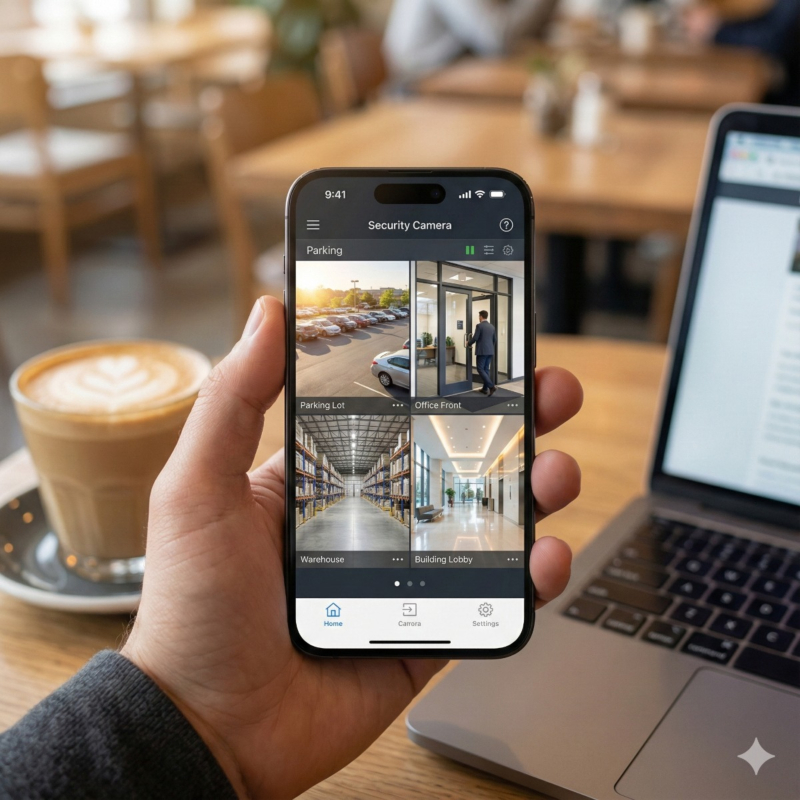
Yes, with a hybrid recorder, or with HD-over-coax cameras on a compatible DVR. Start with the positions where detail matters most, usually the entrances and the register, and replace the rest as the budget allows.
Is HD-over-coax as good as IP?
For picture quality it can come close, and it is often the quickest upgrade. IP cameras still win on features, flexibility and how easily the system grows, because each camera is a network device with its own processing.
Will my old camera power supplies still work?
Rarely for IP cameras. PoE cameras take their power from the network cable, and cameras on Ethernet over coax take it from the adapter or a local supply. HD-over-coax cameras may keep the existing 12 V supply if it has enough capacity.
Weighing up an upgrade in Los Angeles? Our IP camera setup service covers the on-site assessment, mounting, wiring and NVR configuration, and we also take over systems someone else installed. For a complete new system with a site survey and camera plan, see security camera installation. Request a quote and tell us how many cameras you have now, which recorder they use and what you want to see better.