


The surveillance industry is evolving fast. Learn about AI-powered cameras, facial recognition, smart sensors, and the latest trends improving security and efficiency.
AI and Smart Cameras
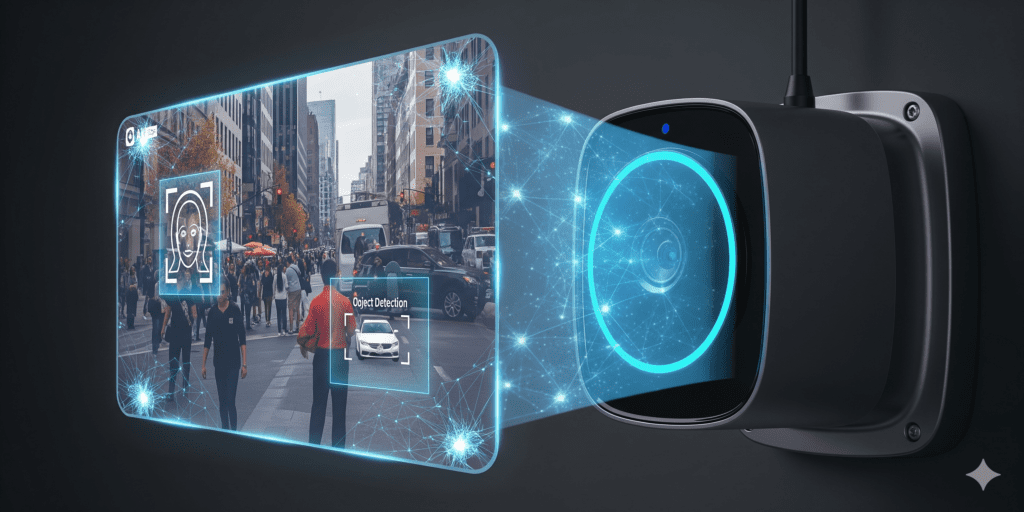
Artificial intelligence allows cameras to detect unusual behavior, differentiate between people and animals, and send smart alerts.
Benefits:
- Fewer false alarms
- Advanced analytics for businesses
- Remote monitoring with mobile apps
Emerging Technologies
Explore integration with smart homes, cloud storage, and energy-efficient devices that enhance surveillance without added complexity.
Tips for Adoption:
- Assess your current system’s compatibility
- Start with key areas before full deployment
- Stay updated on firmware and software updates
Pro tip: Invest in scalable solutions that allow adding new cameras or sensors as your needs grow.
How AI surveillance actually works
"AI camera" can mean several different things, and knowing where the analysis happens makes products easier to compare:
- On the camera (edge analytics). The camera classifies people and vehicles itself and sends only events. It is fast and keeps footage local, but features are limited to what that model supports.
- On the recorder or a server. An NVR or video management software analyzes streams from many cameras, so older cameras can benefit from newer analytics.
- In the cloud. Clips are uploaded for analysis, which enables features such as searching footage by description, but depends on upload bandwidth, a subscription and trust in the provider.
Common rules include line crossing, intrusion zones, loitering, vehicle and plate detection, and alerts only for people rather than every moving shadow. Results depend heavily on mounting height, lighting and a sensible detection zone.
Facial recognition cameras: capability and caution
Facial recognition compares faces against a list of enrolled people. It needs a clear, well-lit, fairly frontal view at identification-level detail, which a wide overview camera rarely provides. In California, biometric information processed to identify a person counts as sensitive personal information under the CCPA as amended by the CPRA, which brings notice and handling duties for businesses the law covers. Many small businesses get most of the value from person detection and good face-level cameras at entrances, without building a face database.
Latest security trends worth following
- Plain-language search of recorded video.
- Stronger device security: ONVIF is phasing out Profile S in favor of Profile T, partly because of its outdated authentication method.
- More attention to NDAA compliance among businesses with federal contracts.
- Cellular and solar-powered cameras for sites without power or network cabling.
Frequently asked questions: modern surveillance
Can AI security cameras work without the internet?
Edge and recorder-based analytics run entirely on the local network. Cloud features, push alerts and app access away from the site need a connection.
Can a business use facial recognition in California?
Privacy law regulates how covered businesses collect, disclose and keep biometric data, and local rules may add conditions. Get legal advice before enrolling customers or employees.
Will AI stop false alarms?
It cuts them down noticeably once zones and sensitivity are tuned, but headlights, animals and reflections can still trigger events. Expect a few weeks of adjustment after installation.
Need help with this? Our IP camera setup service configures analytics and detection zones, CCTV maintenance and repair keeps firmware and settings current, and business network setup puts cameras on their own secure segment. Request a quote.